Conservation Research
Long-term wildlife studies advancing science and protecting the Rupununi's incredible biodiversity
Long-term wildlife studies advancing science and protecting the Rupununi's incredible biodiversity
Our Mission
Caiman House operates as a field research station supporting long-term wildlife studies, human-wildlife conflict resolution, and indigenous naturalist training. Our research programs combine rigorous scientific methodology with community-based conservation approaches.
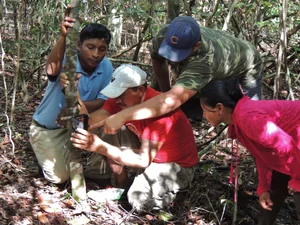
Guests have the unique opportunity to participate in real scientific fieldwork, joining research crews for caiman observation, camera trap checks, and wildlife monitoring.
Watch
Active Programs
Melanosuchus niger
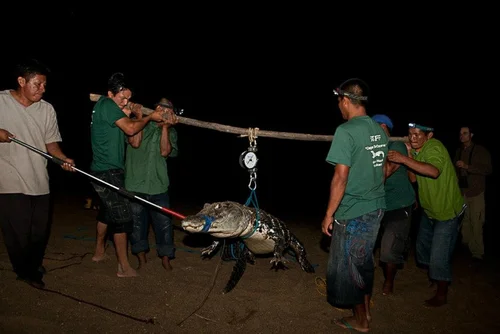
Long-term mark-recapture field study examining detailed ecology of the world's largest alligator species. Our research includes human-caiman conflict resolution protocols and indigenous naturalist training for species conservation and management.
Panthera onca
Population survey via camera-trapping and capture-recapture analysis. We're establishing baseline density in the Kanuku Mountains, building community-based monitoring capacity, and identifying corridors for regional jaguar populations. Led by Matt Hallett with support from Jacksonville Zoo.
Podocnemis unifilis
Community-based monitoring and head-start program founded in 2011. Working to reduce annual losses of adults, hatchlings, and nests of the Yellow-spotted Amazon River Turtle. Supported by the Sustainable Wildlife Management Programme.
Collaboration with Lewis Daly PhD (UCL)
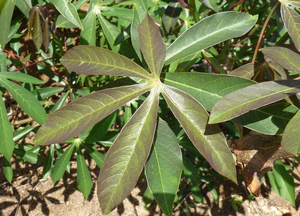
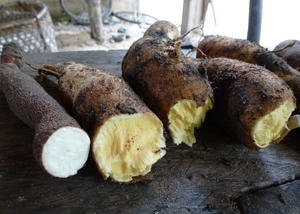
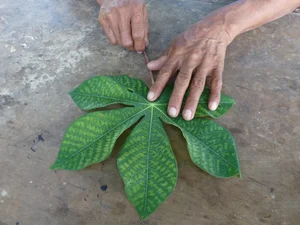
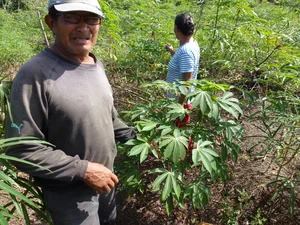
Documenting crop varietal diversity, cassava cultivation techniques, and medicinal plant knowledge. Preserving irreplaceable local ecological knowledge in the North Rupununi region. Outputs include academic papers and linguistic materials.
Ethnobotany
Participate
As a guest at Caiman House, you can accompany our research crews during actual fieldwork. This isn't a simulation - you'll be participating in real scientific studies that contribute to conservation.
Join nighttime expeditions to observe caiman capture, measurement, sexing, tagging, and release. Seasonal opportunities include nest monitoring and hatchling studies.
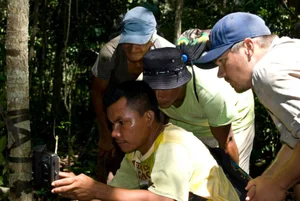
Help check and maintain camera traps used for jaguar population monitoring. Review footage and learn about the wildlife corridor research.
Collaboration
Our work is made possible through partnerships with leading conservation organizations
Jaguar research support
Sustainable Wildlife Programme
Conservation support
Ethnobotany research
Every stay at Caiman House directly funds ongoing research programs. Your visit makes a difference.
Plan Your Visit